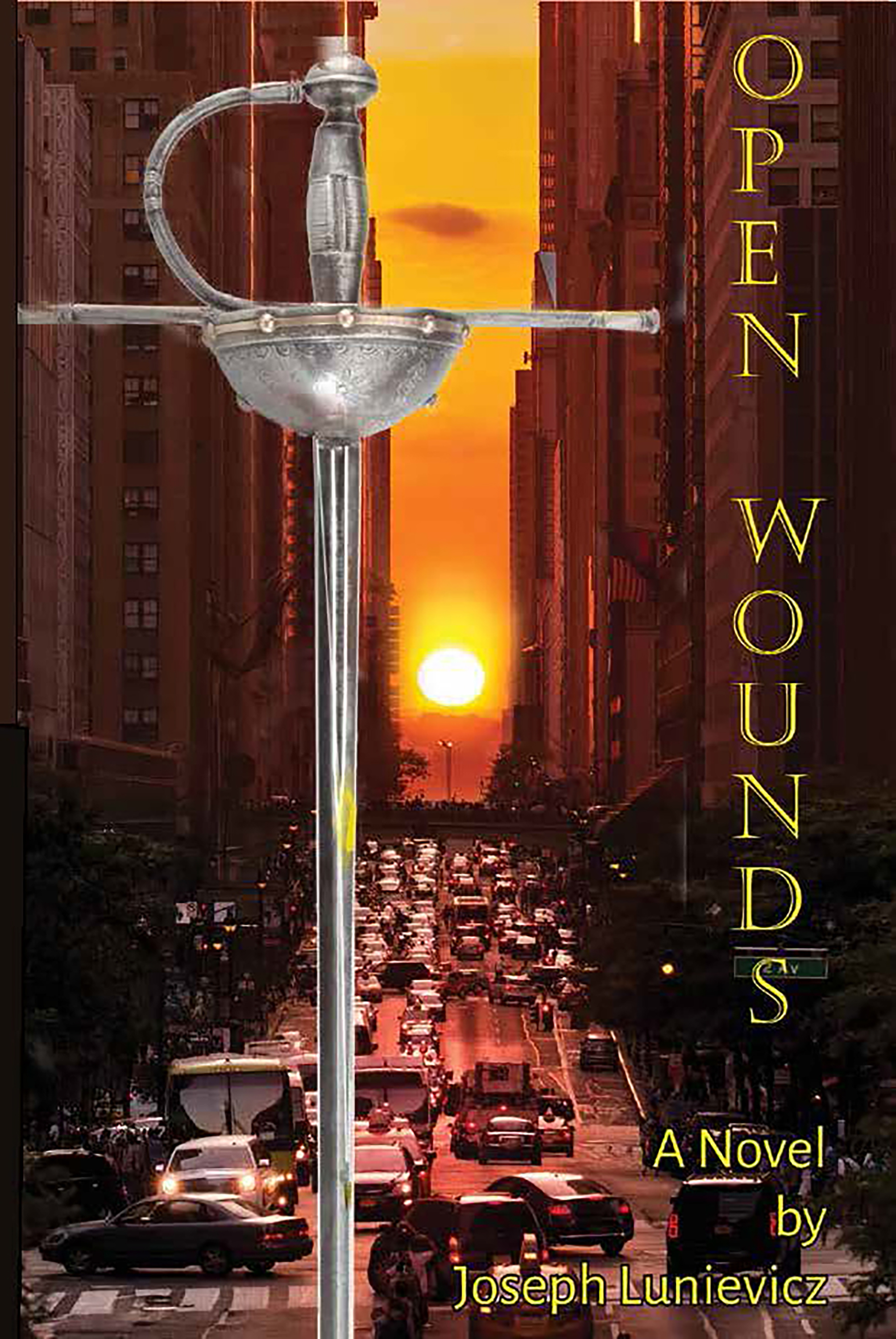
Excerpts from my novel Open Wounds read by author Joe Lunievicz, assisted by actor David Brown as ‘Lefty’
This is a compilation of excerpts from virtual ZOOM readings I did in November and December 2020, accompanied by my friend, actor David Brown in the role of Lefty. Excerpts included are:
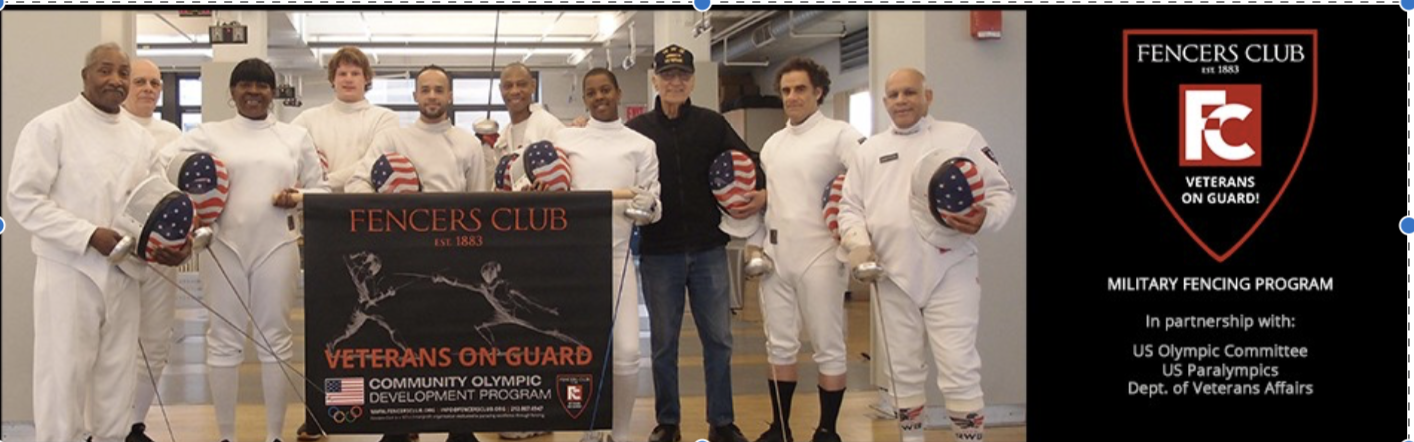
The Fencers Clubis my home club. It’s also a community-based not-for-profit organization that works with older adults, children, and Veteran’s, making this wonderful sport available to those who need, but may not have the resources for it. Fencing is both life-long discipline and sport. I’m holding this fundraiser (donate here) to raise money for the Veteran’s Program specifically and for the Club overall as its been hurt terribly by the pandemic. It is the oldest club in the US—around since 1883. It has a part in my novel Open Wounds.
The goals of the Veterans On Guard Program are to:
– Promote physical fitness and emotional well-being in the active duty and honorably discharged military Veteran population. – Identify and engage disabled and able-bodied Veterans to pursue excellence in fencing, professional development, and community service. – Provide opportunities for Veterans to integrate into the broader community through fencing, mentoring, sharing knowledge and experiences. – Create a pipeline for adaptive (wheelchair) fencing for disabled fencers in NYC.Did I mention how much fun fencing is?
Help more veterans to stay fit in body and mind. Come to my virtual reading to benefit the Fencers Club Veteran’s Programs. Donate now or come to hear me read from Open Wounds with actor David Brown and donate on Friday evening the 18th of December 8-9pm EST.
These veterans, men and women, men and women of color, non-binary individuals, persons of trans experience, gay and straight, young and old, helped us. Now let’s help them.
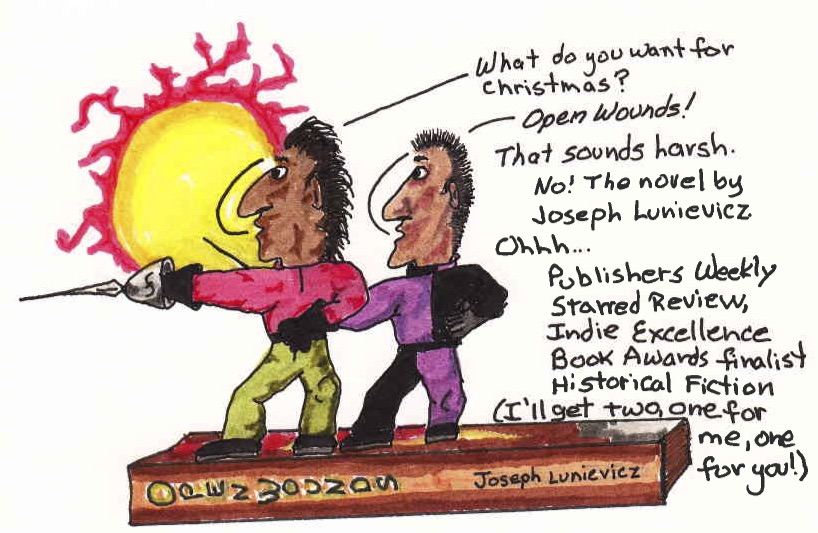
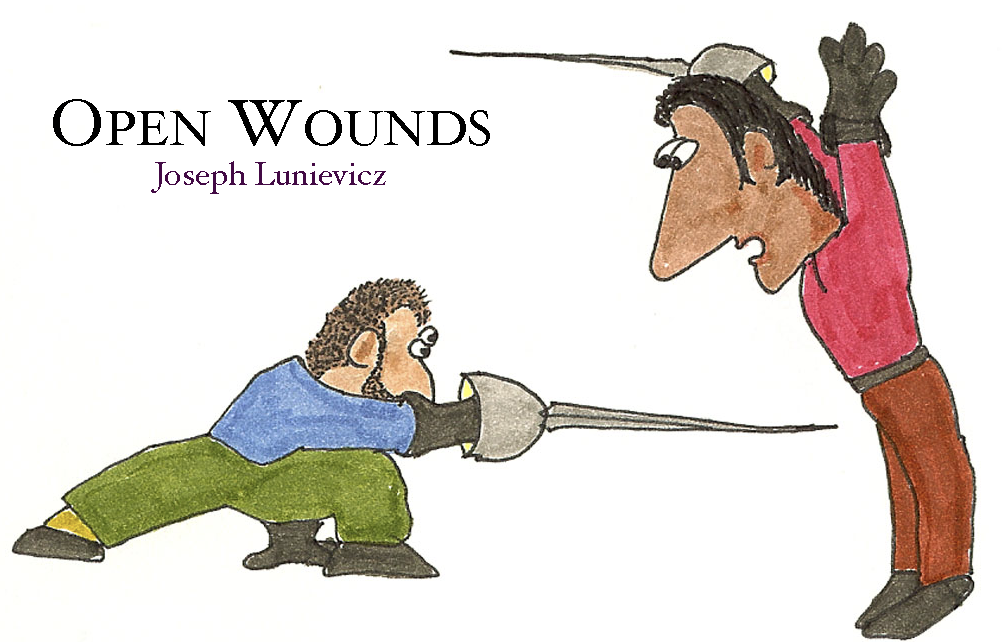
AGENDA: – Special Readings from Novel Open Wounds by author with assistance from actor David Brown. – Veteran’s Programs Described – VP Members at Fencers Club – Auction of uniquely (color drawing) signed, Paperback of Open Wounds
Stay warm and cozy at home this Friday evening December 11th and join me for a virtual reading of my novel OPEN WOUNDS. My friend actor David Brown will read the part of Lefty. BYOVB (bring your own virtual beverage).
This was a difficult call and it took me an extra week to make it because it was so difficult. Writers agonize over the opening line of their novel. I did. I changed it 5 times over 7 years until I found the right words in the right order.
“It begins with blood and ends with blood.” – Open Wounds
I loved all the lines you came up with. But I have made a decision and the following three are the winners of The Eight Words or Less Memoir Contest for Open Wounds. They are listed below, in no particular order:
“No TV! No movies!” I preferred a beating. – Val Oliver
We were dead poets at the beginning. – David Brown
Father always promised me life would be magical. – Jan Alexander
I can’t wait to read what the three of you make of your opening lines. Please let me know. I will email you all so I can get an address to send your signed copy of Open Wounds. Each of the three books (see above) will have my signature, a unique drawing, and a line in Italian from the book. Colpire Senza Essere Colpito! Read the book to find out what it means! To me it is a call to adventure! Thank you all for participating.
Remember. My book is my best marketing tool so after you read it, please review it and put your review on both Amazon and Goodreads and mention it in a facebook post. Then tell your best friends about Open Wounds, or give copies as a holiday present!







 Lunievicz